Travel
A Practical Guide to Canada's National Parks
By Alex Thornton · 2026-04-08 · 9 min read
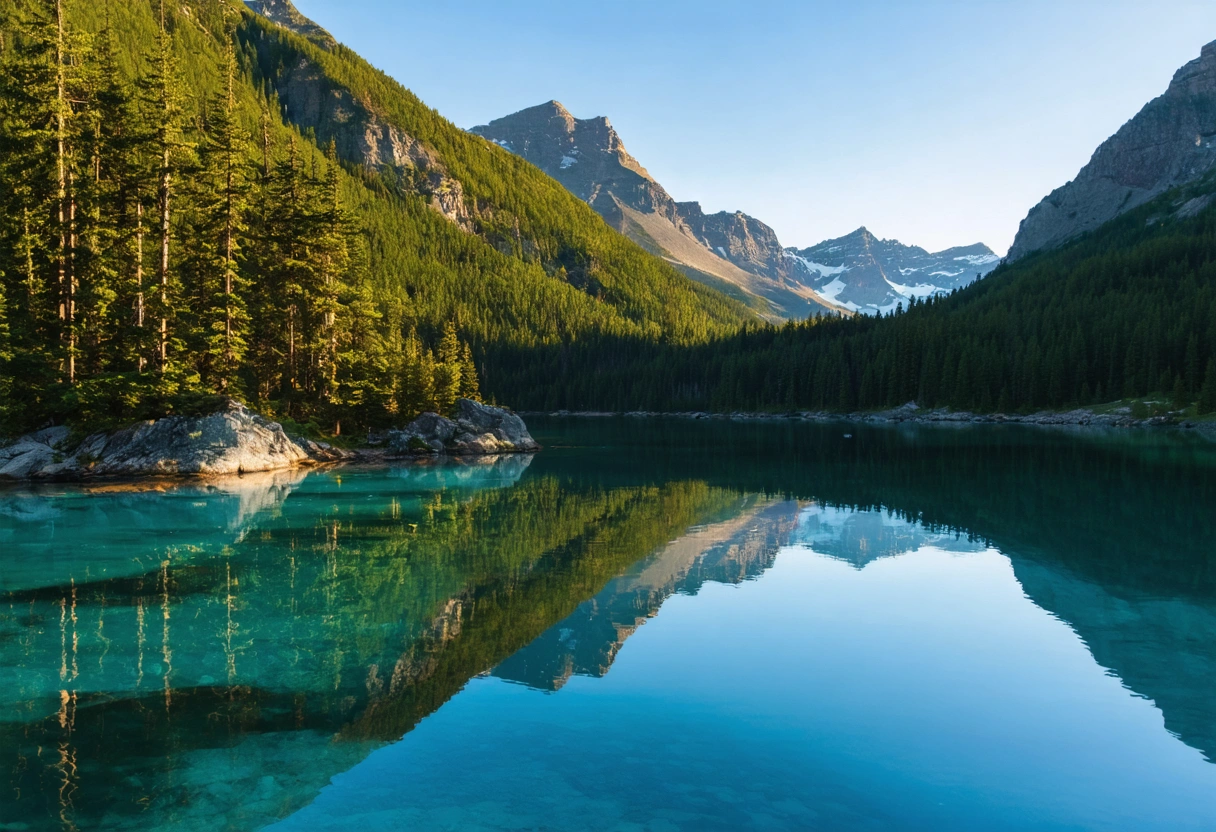
Canada's national parks system protects more than 340,000 square kilometres of land across every region of the country. Choosing where to go first requires knowing what each area does differently.
Parks Canada administers the national parks system, which currently encompasses 48 national parks and park reserves in addition to numerous national historic sites and marine conservation areas. The sheer scale of the system means that no single visit, or even series of visits, exhausts the possibilities — but understanding the regional character of the parks helps prioritise where to focus time and attention.
The Mountain Parks of the West
The four contiguous mountain parks in Alberta and British Columbia — Banff, Jasper, Yoho, and Kootenay — form the most-visited and most internationally recognised section of the Canadian national park system. Together they were designated a UNESCO World Heritage Site in 1984.
Each has a distinct character. Banff is the most developed and most accessible, with a substantial townsite and well-established visitor infrastructure. Jasper is larger, wilder, and noticeably less crowded than Banff — a meaningful difference for visitors seeking solitude. Yoho is smaller and more focused, with Takakkaw Falls (among the highest waterfalls in Canada) and the Emerald Lake as its principal drawcards. Kootenay offers a slightly different experience — more compact, with hot springs and a mix of alpine and valley ecosystems.
The Icefields Parkway (Highway 93) connecting Banff and Jasper is consistently cited as one of the most remarkable driving routes in the world. The 232-kilometre route passes glaciers, alpine meadows, turquoise lakes, and wildlife habitat in a concentrated 3–4 hour drive (without stops; considerably longer with them).
Pacific Rim, British Columbia
Pacific Rim National Park Reserve on the west coast of Vancouver Island protects a long strip of Pacific coastline and old-growth temperate rainforest. It is divided into three units: the Long Beach area (accessible by road and the park's most-visited section), the Broken Group Islands (accessible by boat and popular with kayakers), and the West Coast Trail.
The West Coast Trail is one of the most challenging and most rewarding multi-day hikes in Canada. The 75-kilometre trail was historically a lifesaving trail for shipwreck survivors and now requires advance booking, a reservation fee, and genuine preparation. It is not a casual undertaking but offers a sustained experience of remote Pacific Coast wilderness unavailable elsewhere.
The Great Lakes Parks of Ontario
The national parks of central Ontario — Bruce Peninsula, Georgian Bay Islands, and Pukaskwa — represent a different kind of wilderness from the western mountain parks. Pukaskwa, on the northeastern shore of Lake Superior, protects one of the most remote stretches of accessible wilderness in southern Canada.
Bruce Peninsula is the most accessible and most visited of these, offering the turquoise waters and limestone cliffs of Georgian Bay alongside sections of the Bruce Trail, the longest continuous footpath in Canada.
Cape Breton Highlands, Nova Scotia
Cape Breton Highlands National Park occupies the northern tip of Cape Breton Island in Nova Scotia and contains some of the most dramatic coastal landscape in eastern Canada. The Cabot Trail — a 298-kilometre highway that loops through and around the park — is one of Canada's most celebrated drives.
The park's highland interior is characterised by sub-arctic terrain at elevation, with extensive spruce-fir forest and large populations of moose. The coastal sections feature dramatic cliffs dropping to the Gulf of St. Lawrence.
The Territories: Remote and Rewarding
The national parks of the Northwest Territories and Nunavut — including Nahanni (one of the earliest UNESCO World Heritage Sites in Canada), Auyuittuq, and Quttinirpaaq — protect landscapes of extraordinary wildness that most Canadians never visit. The logistics of accessing these parks are genuinely demanding, involving chartered flights, advanced wilderness skills, and careful preparation.
For those able to plan and resource an expedition to these areas, the experience is genuinely different in kind from anything accessible in the southern parks — a scale of wilderness and silence that has become rare on the continent.
Practical Notes
The Parks Canada Discovery Pass provides unlimited admission to over 80 national parks, historic sites, and marine areas for twelve months and represents good value for anyone planning more than two or three visits.
Accommodation within popular parks should be reserved well in advance — campsite bookings for Banff and Jasper in summer often open months before and fill quickly. Parks Canada's reservation system handles both campsite and a limited range of Parks accommodation bookings.
Buncomic covers travel, outdoor life, and everyday topics across Canada. Browse our full archive for more on Canada's natural destinations.