Culture
Canada's Best Music Scenes by City — Beyond the Famous Ones
By Sophie Clarke · 2026-04-02 · 9 min read
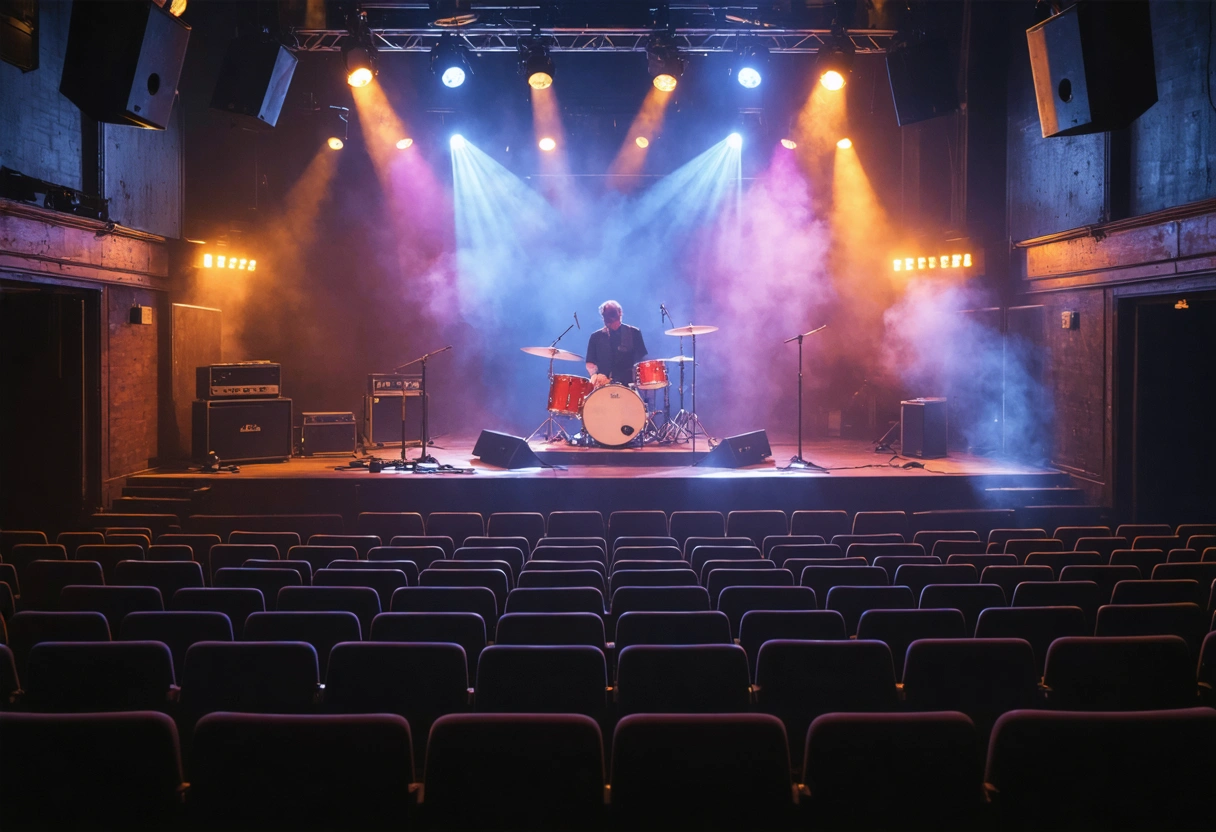
Canada's music culture is usually told through the lens of a few major exports: the artists who broke through to international attention, the festivals that attract global audiences. But the living, breathing reality of Canadian music happens at a much more granular level — in rehearsal spaces and 200-capacity venues, in open mics that have been running for decades, in local labels and recording studios that keep regional sounds alive without waiting for wider recognition.
1. Halifax — Folk, Sea Shanties, and East Coast Soul
Halifax occupies a particular position in Canadian music culture that bears little relation to its size. The city's music scene has produced a remarkable volume of talent relative to its population, sustained by a combination of university culture, a strong tradition of East Coast folk and Celtic influence, and a bar circuit that has remained genuinely supportive of original music.
The venues that matter here are small by most measures. The Seahorse Tavern and Gus' Pub have been central to the live circuit for years. The Lunenburg Folk Harbour Festival, an hour's drive away, draws serious folk music audiences from across the region and provides a platform for artists who are building their careers within the tradition rather than departing from it.
What makes Halifax interesting as a music city is the coherence of its scene. There is a recognisable East Coast sound — rooted in acoustic instrumentation, storytelling lyrics, and the particular emotional register of maritime life — that threads through work across very different artists and genres.
2. Winnipeg — Punk, Country, and the Prairies Intersection
Winnipeg's music scene has a reputation among those who know it as one of the most distinctive in Canada. The city has produced an unusual concentration of artists working in the intersection of folk, country, and underground rock — often with a rawness of sound and an indifference to commercial polish that feels true to the Prairie context.
The Exchange District has been the geographic heart of the scene for years, with venues like The Pyramid Cabaret and The Park Theatre providing the infrastructure. The Winnipeg Folk Festival, one of the largest and longest-running folk festivals in Canada, draws artists from across the country and internationally while remaining genuinely rooted in the local community.
The Indigenous music scene in Winnipeg is also significant. The city has a large Indigenous population, and the music emerging from that community — spanning traditional forms, contemporary hip-hop, and country — is among the most vital being made in Canada right now.
3. Victoria — Folk and World Music by the Water
Victoria occupies a curious position: small enough to feel intimate, large enough to sustain a genuine scene. The city's music culture leans heavily toward acoustic and folk-influenced work, shaped in part by its geography (island life encourages a certain contemplative quality) and in part by its demographics (a relatively older population has sustained venues that cater to more traditional listening formats).
Hermann's Jazz Club has operated since the 1970s and remains central to the city's live music life. The Victoria Folk Music Society runs regular concerts and workshops that have helped maintain an interest in traditional forms among younger musicians.
4. Saskatoon — A Small City Punching Above Its Weight
Saskatoon's music scene would be remarkable anywhere; in a city of its size, it is exceptional. The Broadway Theatre and Louis' Pub at the University of Saskatchewan have historically been important venues, and the city has a track record of producing original artists who have developed substantial national audiences.
The scene here has a particular quality of community tightness — partly a function of geography (Saskatoon is genuinely remote from other major urban centres) and partly a function of the way the local arts infrastructure has been built over time. The Ness Creek Music Festival, held annually north of the city, reflects the particular flavour of Saskatchewan's outdoor music culture.
5. Hamilton — The Steel City's Unlikely Arts Scene
Hamilton's transformation over the past two decades has been one of the more striking examples of industrial-city reinvention in Canada. The arrival of artists, musicians, and creative workers priced out of Toronto has created a scene that draws directly on the city's working-class heritage while adding newer influences.
The music scene clusters around James Street North and the surrounding area. Venues like The Casbah and The Corktown Pub have developed strong reputations. The annual Art Crawl on James Street North has become a marker for Hamilton's broader cultural reinvention, with live music integrated throughout.
6. Quebec City — French Folk and Its Own Distinct Path
Quebec City's music scene is largely invisible to English Canadian audiences — not because it is small, but because the linguistic divide remains a genuine barrier. The Festival d'été de Québec is one of the largest outdoor music festivals in North America by attendance, regularly drawing internationally prominent artists. But the local scene feeding into that context is just as interesting.
French-language folk music rooted in traditional Quebec traditions (la chanson, trad, and their contemporary adaptations) has a living presence here that has no equivalent elsewhere in Canada. For anyone willing to engage with French-language music, Quebec City is a genuine destination.
Buncomic covers culture, arts, and everyday life across Canada. Browse our full archive for more on Canadian arts and entertainment.